
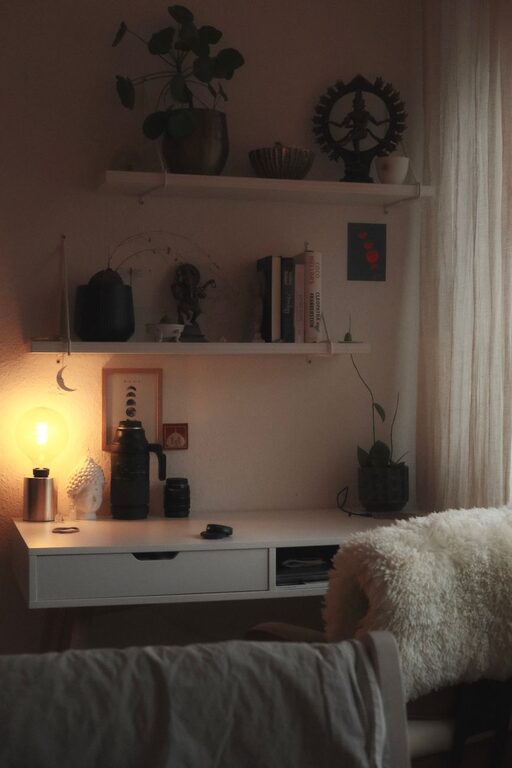
Creating a cozy and inviting home workspace can make a big difference in your daily comfort and productivity. Whether you work remotely full-time or just need a dedicated spot for managing tasks, a well-designed workspace helps you stay focused and feel good throughout the day. Here are some practical tips to help you transform any corner of your home into a warm, welcoming, and efficient work area.
Choose the Right Location
Start by picking a spot that suits your work style and personal preferences. Ideally, this space should have:
– Good natural light: Place your desk near a window to take advantage of daylight, which can improve mood and reduce eye strain.
– Minimal distractions: Find a quieter area away from heavy foot traffic or noisy appliances.
– Enough space: Ensure there’s enough room for your computer, documents, and any tools or accessories you need without feeling cramped.
If space is limited, consider a fold-away desk or clear off a corner in a communal room, but be sure to keep a consistent work boundary.
Invest in Comfortable Furniture
Spending long hours at a desk means comfort is key. Look for:
– Ergonomic chair: An adjustable chair with good lumbar support reduces back pain and helps maintain good posture.
– Proper desk height: Your desk should allow your arms to rest comfortably with elbows bent around 90 degrees.
– Footrest: If your feet don’t touch the floor comfortably, a footrest can offer additional support.
Comfortable furniture not only helps your physical well-being but also encourages you to stay organized and motivated.
Optimize Lighting
Besides natural light, consider these lighting tips:
– Task lighting: Use a desk lamp with adjustable brightness and position. This helps reduce glare on your screen and illuminates important paperwork.
– Warm light bulbs: Lights that emit a warm, soft glow create a relaxing atmosphere compared to harsh fluorescent lighting.
– Even lighting: Avoid working with only one strong light source to minimize shadows and reduce eye strain.
A combination of natural and artificial lighting will keep your space inviting throughout the day.
Add Personal Touches
Personalizing your workspace helps make it feel like your own and can boost creativity and morale. Think about:
– Photos or artwork: Display pictures of loved ones, favorite places, or inspiring quotes.
– Plants: Small indoor plants or succulents improve air quality and add a touch of nature.
– Decorative items: Choose a few cherished items like a colorful mug, a unique pen holder, or a soft throw blanket.
Be careful not to overcrowd your desk; too many items can feel cluttered and distracting.
Keep Your Space Organized
A tidy workspace supports focus and reduces stress. Here are some organization ideas:
– Storage solutions: Use shelves, drawers, or baskets to keep supplies neatly stored but within reach.
– Cable management: Use clips or cord organizers to prevent tangled cables.
– Declutter regularly: Set aside a few minutes daily to clear paperwork, trash, or unused items from your desk.
Creating a system that works for you will make maintaining cleanliness easier and your workspace more inviting.
Incorporate Calming Colors
Colors can significantly influence your mood and energy. To create a cozy workspace, consider:
– Soft neutrals: Cream, beige, and light gray create a calm and warm background.
– Accent colors: Use blues or greens to promote focus and relaxation, or warmer tones like soft yellows and corals for energy.
– Avoid overly bright or harsh colors: These can be distracting or tiring if overused.
You can add color through wall paint, desk accessories, or even artwork.
Control Noise Levels
Noise can be a major disruption, so consider options to reduce it:
– Noise-cancelling headphones: Great for blocking distractions when your home is busy.
– Soft textiles: Curtains, rugs, and cushions absorb sound and add to the cozy feel.
– Background sounds: If total silence feels uncomfortable, try gentle white noise, ambient music, or nature sounds.
A quieter environment helps maintain concentration and reduce stress.
Maintain Good Air Quality
Fresh air supports clear thinking and overall health. Some tips:
– Ventilate regularly: Open windows when possible to let in fresh air.
– Add air-purifying plants: Spider plants, snake plants, and peace lilies help filter indoor air.
– Use a humidifier: In dry climates or during winter, this can add moisture for comfort.
Good air quality contributes to a more pleasant and productive workspace.
Create Clear Boundaries
Especially if your workspace is part of a larger room, defining the area helps both focus and relaxation:
– Room dividers or screens: These offer visual separation.
– Rugs: A rug under your desk roots the space visually.
– Dedicated storage: Keep all work materials in one place to signal when the workday begins and ends.
Clear boundaries help switch your mindset between work and personal time.
—
Final Thoughts
Designing a cozy and inviting home workspace is all about balancing comfort, functionality, and personal style. By selecting a great location, investing in good furniture, managing lighting, adding personal touches, and keeping things organized, you can create a space that supports both your productivity and well-being. Small changes can make a big impact, turning your workspace into a place you’ll genuinely enjoy spending time in.
Remember, the best workspace is one that suits your unique needs and helps you thrive!